
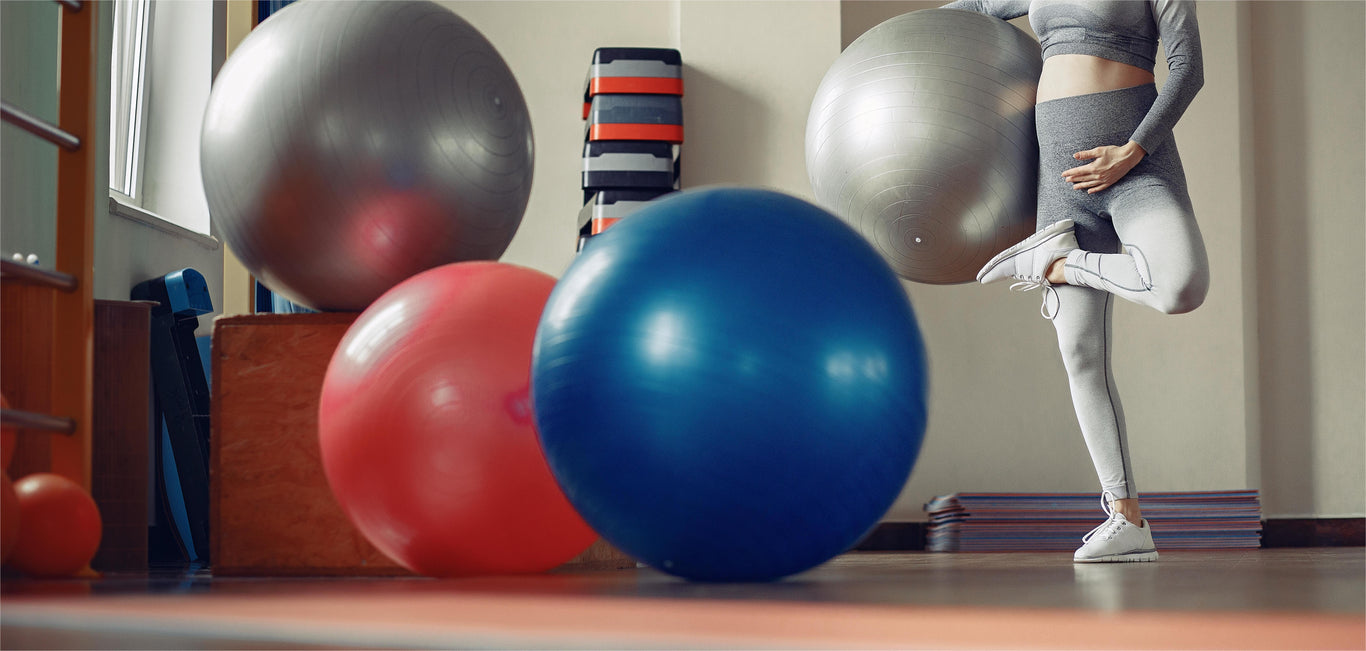
Yoga Ball


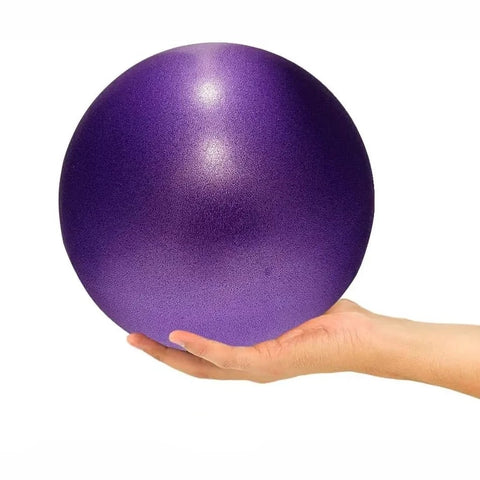

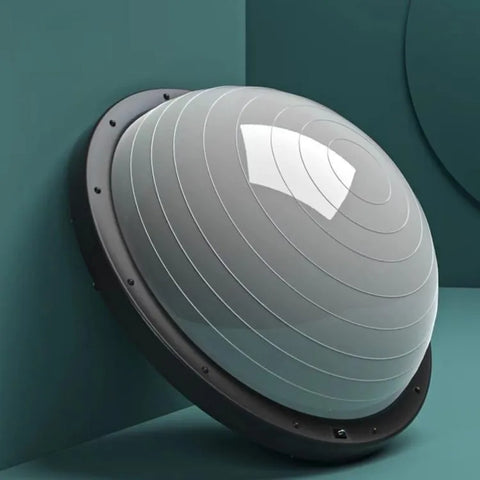


Choosing a Yoga Ball
Yoga balls come in several sizes and colours, and they are used for all sorts of floor-based routines. You may also see them called exercise balls, gym balls or stability balls. These names are often used for much the same type of product, although the size and construction can differ.
Inflating the Ball
Some yoga balls include a hand pump, foot pump or inflation tube. Others are sold without one.
Look at the list of included parts before ordering. A pump shown beside the ball in a photograph may have been added for display and may not be supplied.
Inflate the ball gradually and follow the instructions provided with the product. Avoid trying to make it larger than the stated diameter. Adding too much air may place unnecessary pressure on the seams and material.
Using a Yoga Ball
Place the ball on a clear section of floor away from sharp furniture, heaters and anything that could damage the surface.
It can be included in yoga, Pilates or general exercise routines, depending on the instructions being followed. Anyone new to this type of equipment should begin with straightforward movements and learn how the ball responds before attempting anything more involved.
The ball will naturally move when weight is placed against it. Make sure there is enough room around you and avoid using it close to shelves, tables or other hard objects.
A yoga mat may be placed underneath, although the ball can move differently depending on the mat’s thickness and texture.
Using One as a Seat
You sometimes see exercise balls being used at desks. They are fine for an occasional change, but they are not built like office chairs. There is no backrest, no arm support and no way to adjust the seat properly. They can also roll or shift on a smooth floor.
If you do sit on one, clear away cables, bags and anything else you might catch your feet on. It is best used now and then rather than as an all-day replacement for a proper desk chair. Follow any workplace guidance that applies.
Before Ordering
Check the following details on the product page:
The inflated diameter
The available colour
The stated material
The maximum user weight
Whether a pump is included
Whether spare valve plugs are supplied
The inflation instructions
The cleaning guidance
The amount of space needed for storage
Our collection includes yoga and exercise balls in a range of sizes and colours. Read the measurements and supplied product details carefully before choosing.
How Firm Should It Feel?
The amount of air inside the ball affects how firm it feels.
Add more air and the surface becomes firmer, although it should never be pumped beyond the stated diameter.
More air does not increase the weight limit. It simply changes the pressure inside the ball.
It is best to add the air gradually and stop every so often to check the size. A tape measure around the widest point can be useful when the ball needs to reach a particular diameter.
Room temperature can make a slight difference too. The material may feel softer in a warm room and firmer somewhere cooler, so avoid repeatedly adding air just because the surface feels a little different.
Before Ordering
Check the inflated diameter and make sure you have enough room to use and store the ball.
Look at the stated material, maximum user weight and surface finish. Confirm whether a pump, spare plug or removal tool is included.
Read the inflation instructions and check whether the manufacturer confirms any anti-burst construction. It is also worth looking at the cleaning and storage guidance before choosing.
Our collection includes yoga and exercise balls in several sizes, colours and finishes. Check the details on each product page, as the contents and specifications can differ.
Choosing the Size
Yoga balls are normally measured across the middle once they are fully inflated. The size is usually shown in centimetres.
Some listings offer several sizes, so check which one you have selected before ordering. The main photo may show a different size or colour from the option currently in your basket.
Use the sizing information supplied with the particular ball rather than general advice written for another product.
Anti-Burst Wording
Some yoga balls are sold as anti-burst. Only rely on this description when it is confirmed for that exact product.
The term usually refers to how the material is intended to behave after certain types of damage, but the construction differs between brands.
Check the supplier information, stated weight limit and instructions rather than assuming every exercise ball has this feature.
Keeping the Ball in One Place
An inflated ball tends to wander when it gets knocked, particularly on a hard floor.
A clear corner is often the easiest place to keep it between uses. A ball stand may also help where one is available.
Do not wedge it against rough walls, exposed screws or sharp furniture. Even a small point pressing into the same place for a long time can leave a mark.
Hallways and doorways are best avoided. The ball can roll out unexpectedly and become something people have to step around.
Moving It Between Rooms
Yoga balls are light, but carrying one through the house can still be awkward.
Large sizes may catch on door handles, shelves or narrow door frames. Move the ball on its own rather than trying to carry it together with a mat and other equipment.
Take a quick look at the route first, especially when going upstairs. Keeping both hands free makes the job much easier.